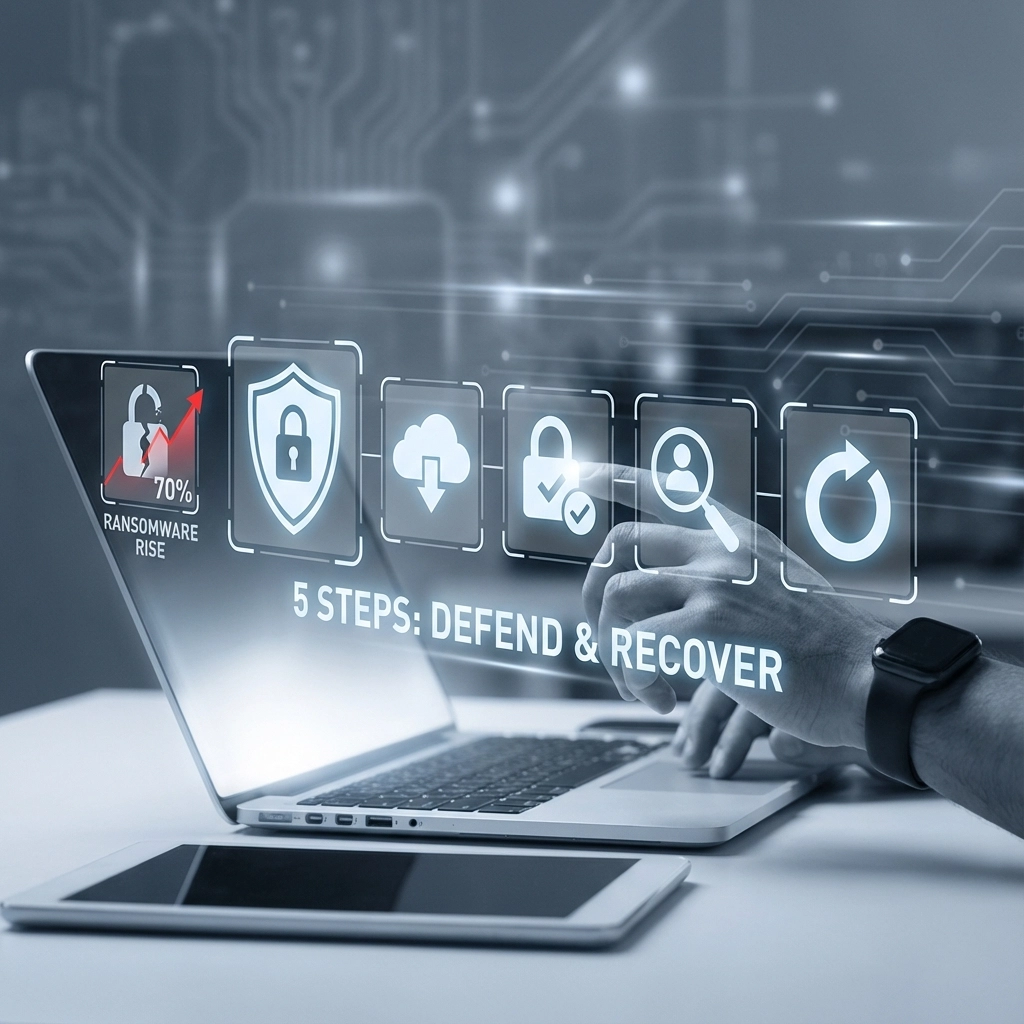
The numbers don't lie, ransomware attacks have reached unprecedented levels in 2025. While exact figures vary by measurement period, confirmed ransomware incidents jumped 34% year-over-year from January through September, with Q3 2025 seeing a staggering 36% increase compared to the same quarter in 2024. Some periods showed even more dramatic spikes. Painting a clear picture, cyber criminals are getting bolder, and small businesses are squarely in their crosshairs.
If you're a business owner thinking "this won't happen to me," it's time for a reality check. Organizations globally are now experiencing roughly 2,003 cyber-attacks per week as of November 2025. That's not just Fortune 500 companies, small businesses are increasingly becoming prime targets because attackers view them as having valuable data but weaker defenses.
Here's what's keeping cybersecurity experts awake at night: ransomware has evolved far beyond simple file encryption. Today's attackers employ data theft, cloud resource sabotage, and even insider collaboration to maximize financial pressure on their victims. The good news? With the right preparation and response plan, your business can not only survive a ransomware attack but potentially avoid one altogether.
The New Reality of Ransomware Economics

Let's talk about what ransomware really costs your business and why the traditional "just pay the ransom" approach is failing spectacularly.
Ransom payment rates have plummeted to approximately 25-30% of victims, but here's the kicker, the true cost of an attack has soared regardless of whether you pay. Organizations now face $5-6 million in incident costs and 24-27 days of disruption per attack. In many cases, these recovery expenses exceed the ransom demand itself.
Why aren't businesses paying anymore? Simple, paying doesn't guarantee you'll get your data back, and it certainly doesn't prevent attackers from targeting you again. Plus, there's no honor among thieves. Many victims who pay still face extended downtime while rebuilding their systems from scratch.
What does this mean for your small business? The old playbook of "buy cyber insurance and hope for the best" isn't enough anymore. You need a proactive defense strategy that treats ransomware prevention and recovery as core business functions, not IT afterthoughts.
Understanding Your Enemy: How Modern Ransomware Works
Think of ransomware like a home invasion, but instead of breaking down your front door, attackers spend weeks casing your digital house. They're looking for unlocked windows (weak passwords), studying your routines (network traffic patterns), and identifying your most valuable possessions (critical data and systems).
The attack typically unfolds in stages. First, they gain initial access, often through a phishing email that tricks an employee into clicking a malicious link. Then comes the reconnaissance phase, where attackers move laterally through your network, mapping out systems and identifying high-value targets.
Here's where it gets scary, attackers often spend 200+ days inside a network before deploying ransomware. During this time, they're not just planning their encryption attack: they're stealing your data to use as additional leverage. This is called "double extortion," and it's become the standard playbook.
The 5-Step Defense and Recovery Framework

Ready to turn your business into a hard target? These five steps will transform your approach from reactive to proactive, giving you the best chance to detect, prevent, and recover from ransomware attacks.
Step 1: Detect Data Movement Before Encryption Occurs
Your golden window of opportunity isn't after files are encrypted, it's during the weeks or months when attackers are quietly moving through your network. This is when you can still stop them cold.
Deploy network monitoring tools that establish baseline traffic patterns and alert you to deviations. Look for unusual outbound traffic (especially large data transfers), anomalous multi-factor authentication behaviors, and sudden file movement activity across multiple systems.
For small businesses without dedicated IT staff, consider managed detection and response (MDR) services that provide 24/7 monitoring. Think of it as having a security guard who never sleeps, watching for signs of digital break-ins while you focus on running your business.
Step 2: Fortify Your Digital Perimeter
Multi-factor authentication (MFA) isn't optional anymore, it's your first line of defense. Implement it across all critical systems, starting with email accounts and remote access tools, since these are common entry points.
But don't stop there. Regularly audit user access permissions using the principle of least privilege. That means employees only get access to the systems and data they absolutely need for their job functions. When someone changes roles or leaves the company, immediately revoke their access.
Consider implementing network segmentation as well. Just like physical firewalls contain building fires, network segmentation contains cyber attacks by preventing lateral movement between different parts of your IT infrastructure.
Step 3: Build Your Digital Ark
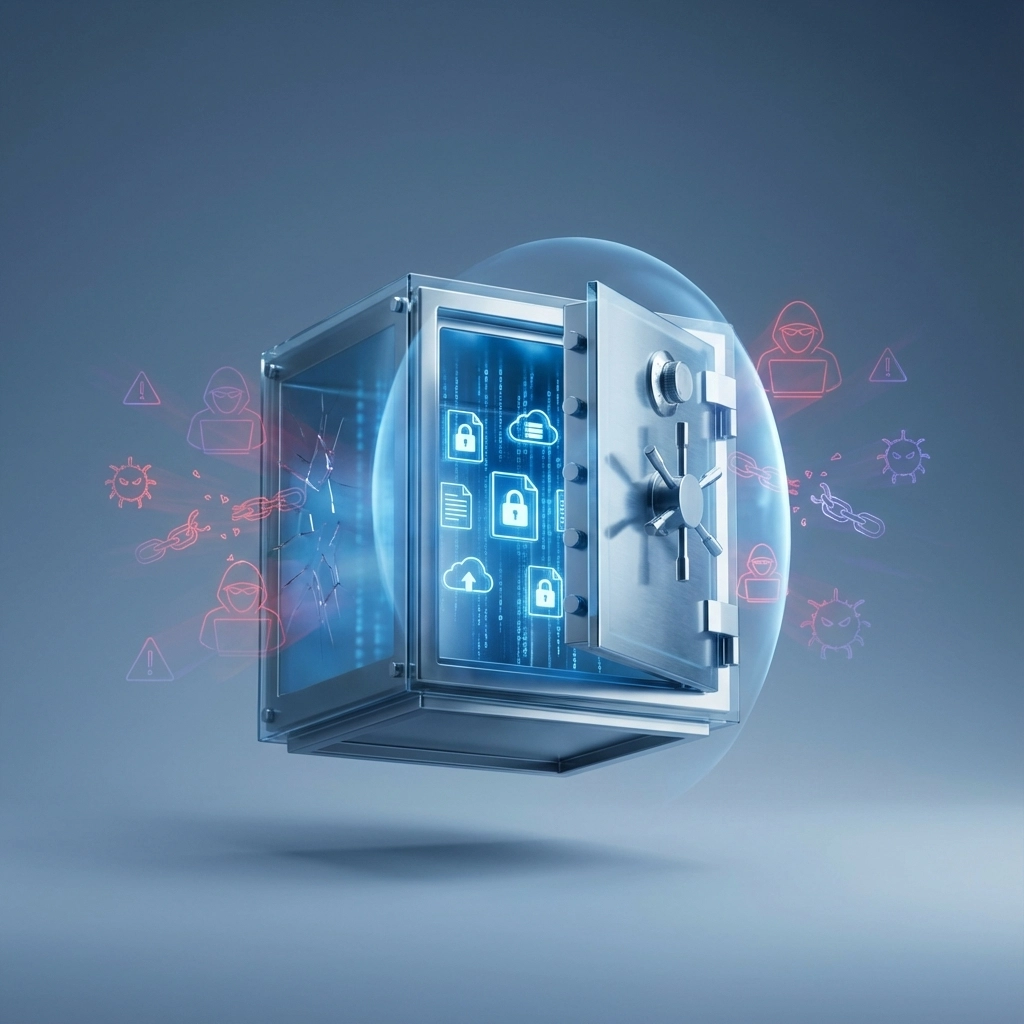
Here's a hard truth: backups are your insurance policy, but most businesses are driving around without coverage. Creating backups isn't enough, you need the "3-2-1 rule" implemented correctly.
Keep three copies of critical data, store them on two different types of media, and maintain one copy offline or in immutable storage that attackers cannot encrypt or delete. Test your backup restoration procedures quarterly, not when disaster strikes.
Most importantly, ensure your backups are isolated from your main network. If attackers can reach your backups through your network, they'll encrypt those too. Cloud-based backup solutions with proper configuration can provide this isolation while maintaining accessibility for legitimate recovery needs.
Step 4: Turn Employees Into Human Firewalls
Your employees are either your weakest link or your strongest defense, the choice is yours. Since many attacks begin with phishing emails, security awareness training isn't a nice-to-have; it's essential business infrastructure.
Conduct regular training sessions that go beyond generic "don't click suspicious links" advice. Use real-world examples of phishing attempts targeting your industry. Teach employees to recognize business email compromise (BEC) scams, where attackers impersonate executives or vendors to trick employees into transferring money or sensitive information.
Create a culture where reporting suspicious activity is rewarded, not punished. Employees should feel comfortable flagging potential threats without fear of being blamed for "falling for" a scam.
Step 5: Plan Your Response Before You Need It

When ransomware hits, every minute counts. Your response speed directly determines recovery cost and business disruption duration. Having a documented incident response plan means the difference between coordinated action and chaos.
Your plan should include immediate isolation procedures for infected systems, evidence preservation steps, notification protocols for stakeholders and authorities, and your backup restoration process. Determine in advance whether your organization will contact law enforcement or engage specialized incident response services.
Practice your response plan through tabletop exercises. Just like fire drills, these simulations help identify gaps in your procedures and ensure everyone knows their role during a real incident.
Special Considerations for Resource-Constrained Businesses
Small businesses face unique challenges in ransomware defense. You might not have dedicated IT staff or unlimited security budgets, but that doesn't mean you're defenseless.
Recent data shows that associations and non-profit organizations, typically resource-constrained entities, experienced a 57% year-over-year surge in attacks in late 2025. This suggests attackers are deliberately targeting organizations they perceive as having valuable data but limited security resources.
If you can't afford enterprise-level security solutions, focus on the fundamentals: strong passwords, regular software updates, employee training, and reliable backups. Many effective security measures are about discipline and process, not expensive technology.
Consider partnering with a managed service provider (MSP) that specializes in small business cybersecurity. This gives you access to enterprise-grade tools and expertise at a fraction of the cost of building in-house capabilities.
The Path Forward: From Victim to Survivor
The ransomware threat isn't going away, if anything, it's intensifying as criminal organizations become more sophisticated and AI-powered tools lower the barrier to entry for attackers. But here's the silver lining, businesses that implement comprehensive defense strategies are successfully deterring attacks and minimizing impact when incidents occur.
Remember, the goal isn't to become an impenetrable fortress (that's impossible). The goal is to become a harder target than your competitors, forcing attackers to look elsewhere for easier victims.
Your next steps are clear: assess your current security posture against these five defensive pillars, identify the biggest gaps, and start closing them systematically. Begin with the fundamentals, backups and employee training. Then layer on more advanced protections as your security maturity grows.
Don't wait for an attack to test your defenses. The best time to implement ransomware protection was yesterday. The second-best time is right now.
Ready to bulletproof your business against ransomware? CelereTech's managed cybersecurity services provide small businesses with enterprise-grade protection without the enterprise price tag. Contact us today for a security assessment and learn how we can help you stay one step ahead of cyber criminals.