Resources
IT & Cybersecurity Blog
Practical, plain-English guidance on IT, cybersecurity, and AI for Chicagoland small and mid-sized businesses.

Google Preferred Sources: How to Add CelereTech in One Click
Google's Preferred Sources feature lets users choose which sites Search favors in AI Overviews, AI Mode, and Top Stories — adding CelereTech takes one click and no account changes.

Which Industries Benefit Most From Managed IT Services?
Every business relies on technology, but healthcare, finance, legal, and manufacturing carry the highest IT risk profiles and see the most benefit from managed IT's compliance and uptime guarantees.

How Much Does Managed IT Cost in Chicago? A Real Pricing Guide
What managed IT actually costs for a small business in Chicago, what moves the price up or down, and how to get an accurate number instead of a generic estimate.

How to Outsource IT for Your Small Business: A Step-by-Step Guide
Outsourcing IT for the first time follows a defined process: auditing the current environment, vetting providers against measurable SLAs, and running a phased transition instead of an abrupt cutover.

Managed IT vs. Break-Fix: What Break-Fix Actually Costs You
Break-fix IT looks cheaper on paper since you only pay when something breaks, but downtime, emergency labor rates, and unmanaged risk usually make it the costlier option long-term.

Co-Managed IT Services: How They Benefit a Small Business With an In-House IT Team
Co-managed IT lets a business with existing internal IT staff add 24/7 monitoring, cybersecurity tooling, and after-hours coverage without hiring a second full-time employee.

Microsoft 365 Copilot for Small Business: Is It Worth It in 2026?
What Microsoft 365 Copilot actually does, what it costs per user, and whether it's worth adding for a small business. A practical, no-hype breakdown for SMB owners.

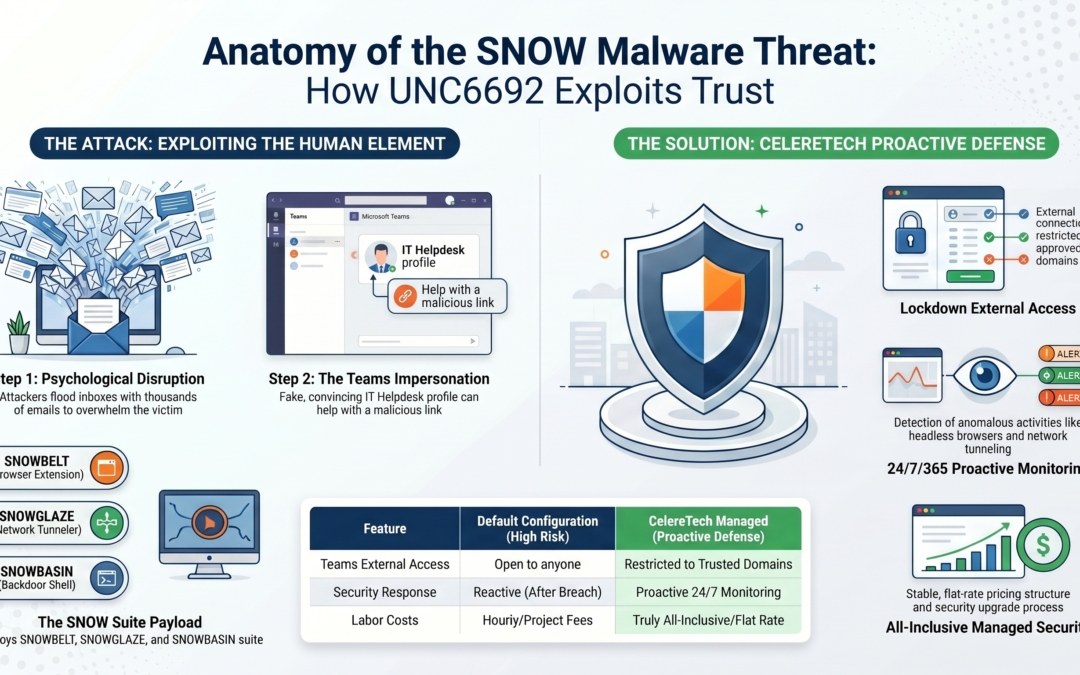
The SNOW Malware Suite: How UNC6692 Is Exploiting Microsoft Teams to Attack Businesses in 2026
The SNOWBELT, SNOWGLAZE, and SNOWBASIN malware components used by threat group UNC6692 give attackers persistent network access through a trusted Microsoft Teams support scam, not a software exploit.

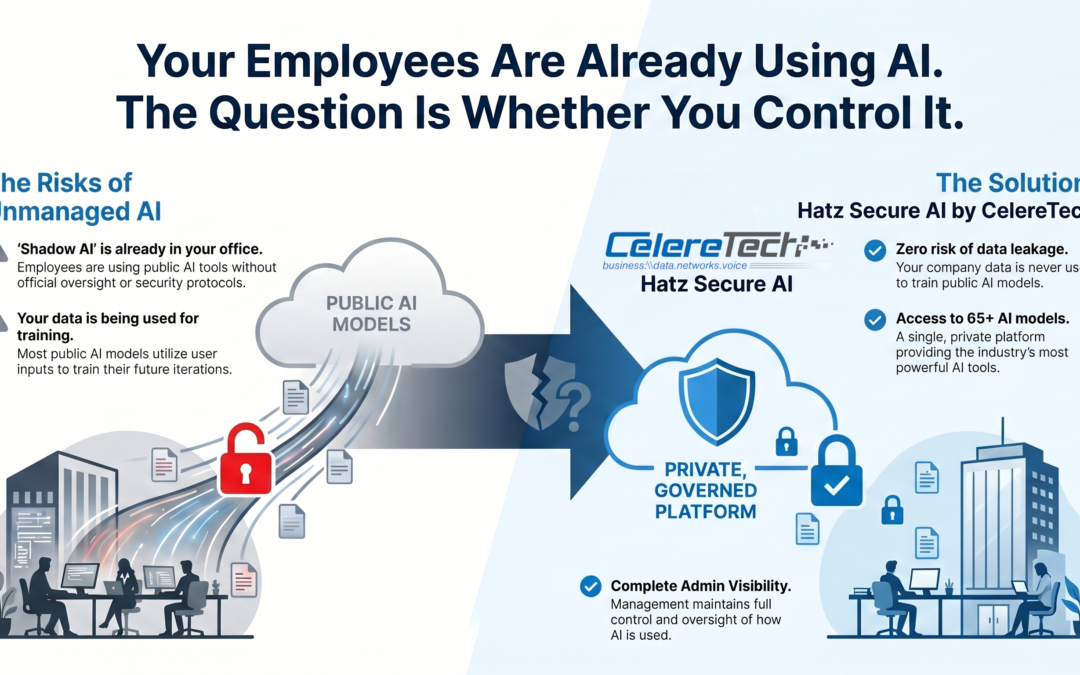
Shadow AI Risks in the Workplace: What SMBs Need to Know
98% of organizations have employees using unsanctioned AI tools — shadow AI risk means confidential data pasted into consumer chatbots, addressed through governance and approved tools, not an outright ban.

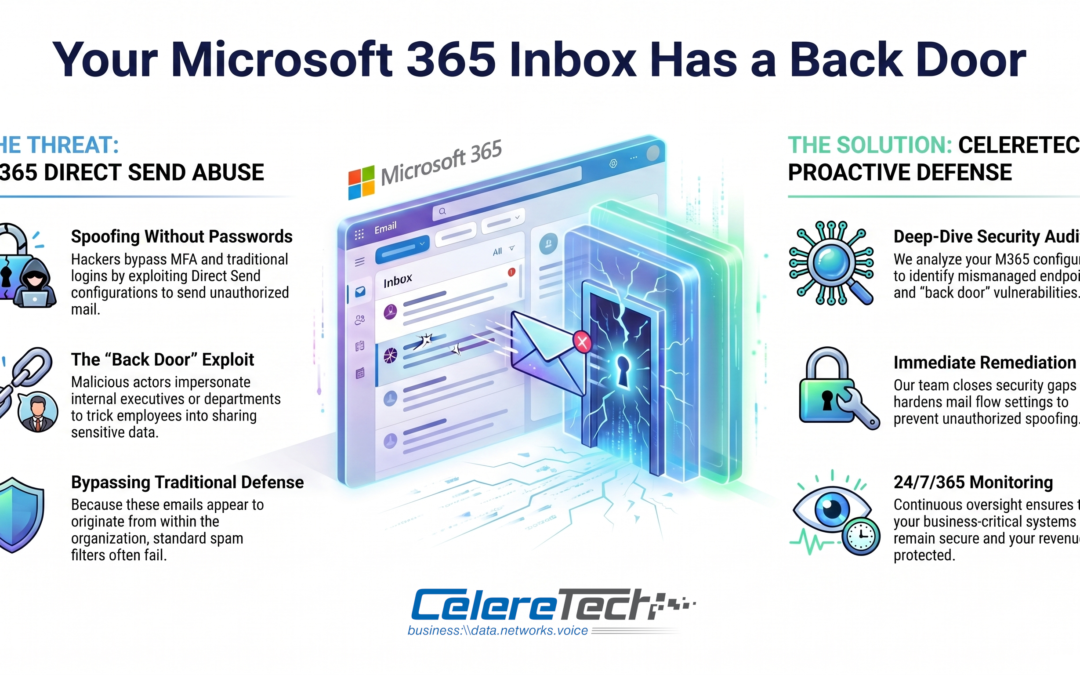
The Microsoft 365 Back Door Attackers Are Actively Exploiting — And How to Close It
Microsoft 365 Direct Send abuse lets attackers spoof internal-looking emails without compromising a single password, by exploiting a legitimate mail-relay feature most admins have never disabled.

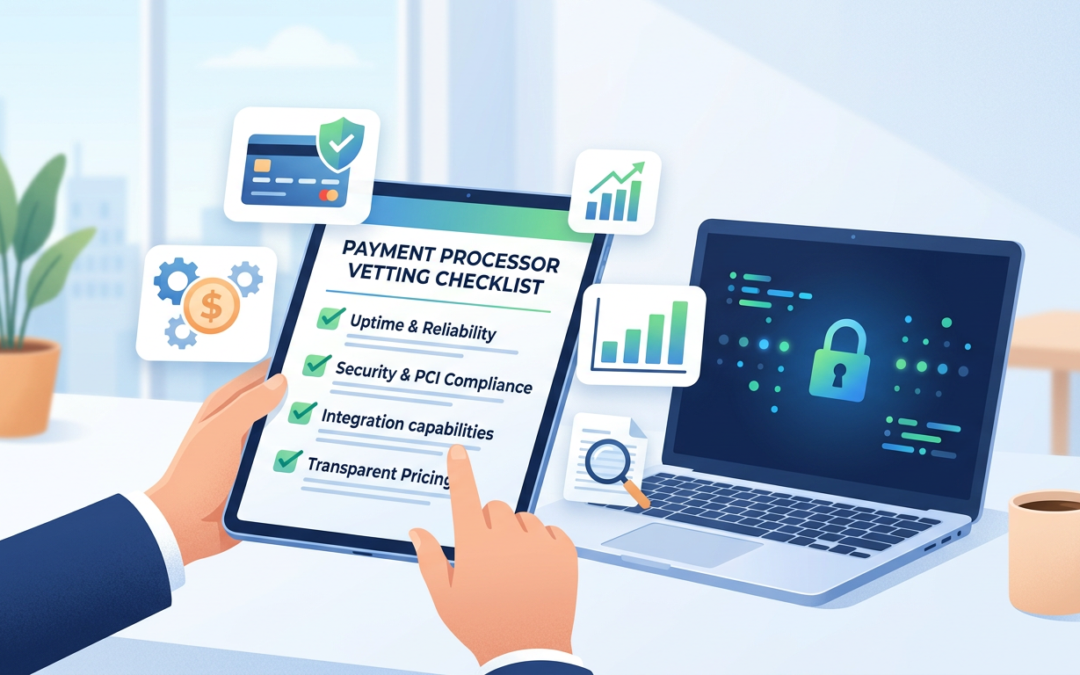
How to Vet a Payment Processor Like You Vet an MSP — A 10-Point Due-Diligence Checklist
SMBs often spend weeks vetting an MSP but sign a 3-year payment processor contract after a 20-minute pitch — a 10-point due-diligence checklist applies the same rigor to payments.

Collaboration Tools: Easy for Teams, Easy Targets for Hackers
71% of remote workers have shared sensitive information through Teams, Slack, or similar apps — proper permissions, DLP policies, and training keep collaboration tools from becoming an attack vector.

Microsoft 365 Security Best Practices for SMBs: The Complete 2026 Guide
A comprehensive, step-by-step Microsoft 365 security guide for SMBs — identity, admin protection, email authentication, data loss prevention, device management, and backup, with the exact settings to configure.

12 Clear Signs Your Business Needs a Smarter IT Strategy to Grow
Tool sprawl, rising costs, and unplanned downtime are the clearest signs a business has outgrown ad hoc IT — a unified strategy replaces reactive fixes with a documented technology roadmap.

Cybersecurity Services for Chicago Small Businesses: What to Look for and What It Costs
What cybersecurity services actually cost for a small business in Chicago, what should be included by default, and the red flags to watch for when evaluating a provider.

What Is a Managed Service Provider (MSP)? A Guide for Small Businesses
A managed service provider (MSP) is an outsourced IT department that monitors, maintains, and supports a business's technology for a flat monthly rate instead of hourly break-fix billing.

Business Continuity Planning for Small Business: The Complete Checklist
96% of organizations experienced meaningful downtime between 2019 and 2022 — a complete business continuity plan requires a documented risk assessment and tested backups, not just cloud storage.

IT Compliance & Regulation: Why Your Business Needs Expert Help
74% of organizations view compliance as a burden, but non-compliance costs 2.71x more than staying compliant once fines, audits, and remediation are factored in.

Microsoft 365 Business Premium: Tools Your Business Should Know About
Over 3 million businesses rely on Microsoft 365, but most use only a fraction of Business Premium's included tools — like Intune device management and Defender threat protection — already paid for.

Zero Trust Security Explained: Why 'Never Trust, Always Verify' Is Winning
61% of global organizations have already adopted Zero Trust — a model that verifies every user and device continuously instead of trusting anyone already inside the network, unlike legacy VPNs.

The Best VoIP Phone System for Small Business: What to Actually Look For
What actually separates the best VoIP phone systems for small business from the rest: reliability, the features worth paying for, hidden costs to watch for, and how it compares to a traditional phone line.

Are You Making These 5 Common Ransomware Defense Mistakes?
43% of cyberattacks target small businesses, and only 14% feel prepared to defend themselves — most successful attacks trace back to preventable mistakes like untested backups and missing MFA.

MFA for Small Businesses: Why a Simple Password Isn't Enough Anymore
81% of data breaches involve compromised passwords — multi-factor authentication blocks most account takeovers even when a password is stolen, and rolls out with minimal user friction.

MDR Services: Why Managed Detection & Response Should Be Your Security Backbone
The average ransomware attack now costs $2.73 million, and attacks launch every 11 seconds — Managed Detection & Response pairs 24/7 monitoring with human analysts to catch what automated tools alone miss.

Your Expanding Attack Surface: What It Means and How to Defend It
Cloud attack surfaces have surged 600% in a single reporting period — Attack Surface Management continuously maps every exposed device, app, and cloud asset an attacker could target, not just the known ones.

XDR Explained: Next-Level Threat Defense for Modern SMBs
Cybercriminals launched 5.5 billion malware attacks in a single year — Extended Detection & Response (XDR) connects endpoint, email, and network defenses into one system so threats can't slip through the gaps.

What Is EDR? How Endpoint Detection & Response Shields Your Business
Cybercriminals spend an average of 287 days inside a network before being detected — Endpoint Detection & Response (EDR) monitors device behavior in real time to catch intrusions in hours, not months.

Flat-Rate IT Services Explained: How Pricing Actually Works
What flat-rate IT services actually means, how it compares to per-user and per-device pricing, what it typically costs, and how to tell if a quote is really all-inclusive.

IoT: Keeping Your Connected World Safe
IoT connections are projected to reach 29 billion by 2027, and each connected device — cameras, thermostats, printers — is a potential entry point that needs its own network segmentation.

Harness Azure Virtual Desktop for Modern Computing
Azure Virtual Desktop delivers enterprise-grade computing power over the cloud, letting SMBs run demanding applications on any device without a $20,000 hardware budget.

The Dark Web Can Be Tracked for Free With Google
Remote work has tripled since 2020, increasing the risk of company data leaking onto the dark web — Google offers a free monitoring tool that can catch exposed credentials early.

Unraveling Encryption: How It Works and Why It Matters
Encryption scrambles data using a mathematical key so only authorized parties can read it — the same core idea protects both stored passwords and data sent over a network.

Endpoints Managed: Securing Your Devices with an MSP
Only 10% of organizations monitor 100% of their endpoints, leaving blind spots attackers exploit — which is why endpoint management is one of the first things an MSP centralizes.

Are Password Managers Really Safe?
65% of Americans don't trust password managers, yet security experts rely on them because an encrypted, audited manager is far safer than a reused or written-down password.